
Regioni di carta: Sardegna
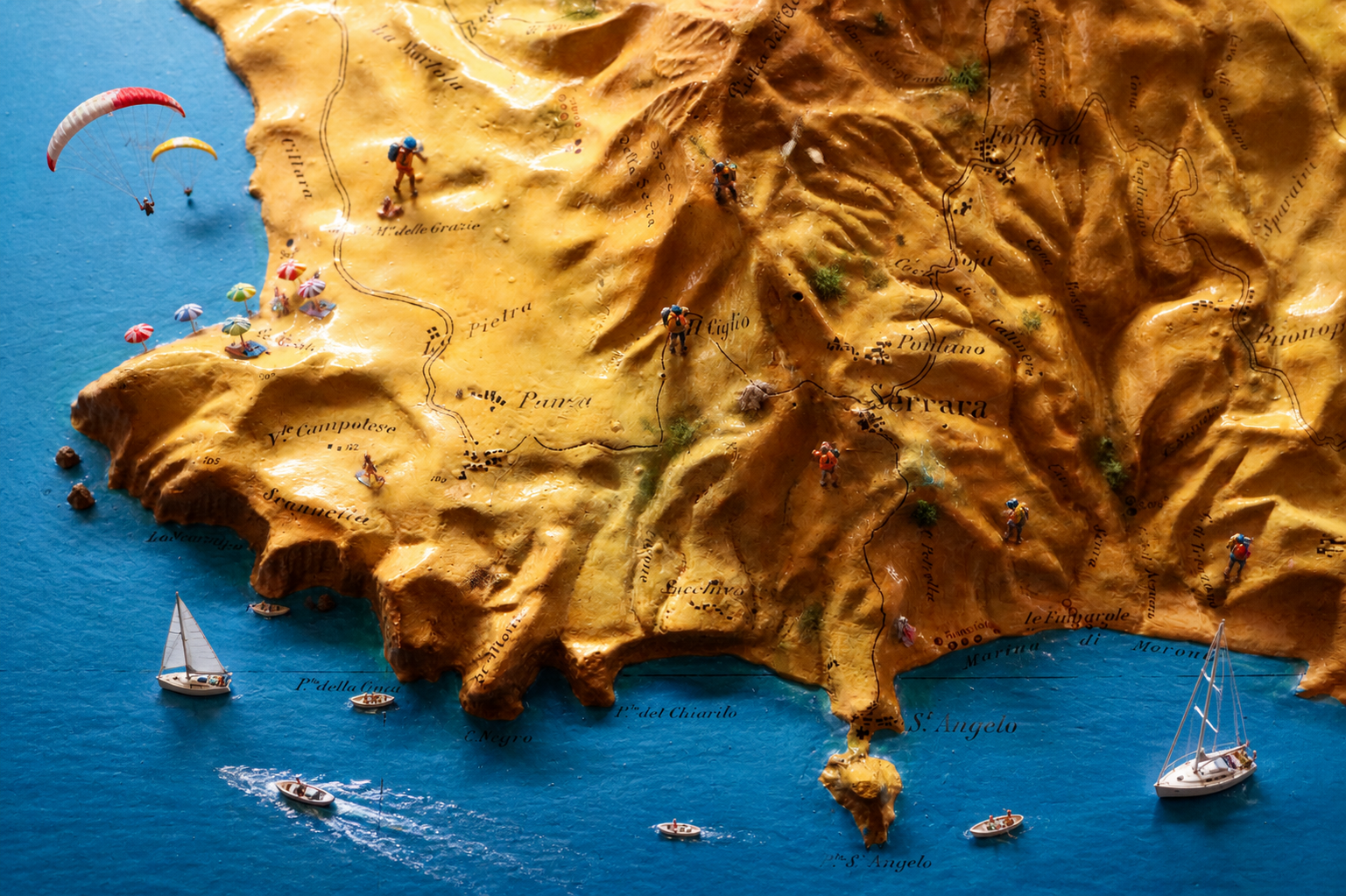
Una mostra dedicata alla Sardegna, che mette in mostra un ricco patrimonio biblio-cartografico del Museo e della Biblioteca e accoglie preziose testimonianze provenienti anche dalle altre collezioni museali dell'ateneo.

[English version below]

La mostra “Regioni di Carta. Storie di Sardegna tra libri e oggetti dell’Università di Padova” rappresenta la seconda edizione del ciclo di mostre intitolate “Regioni di carta”, curate dal Museo di Geografia e dalla Biblioteca di Geografia, Scienze Economiche ed Aziendali ed Emeroteca Ca’ Borin.

La mostra curata da Chiara Gallanti, conservatrice del Museo, quest’anno propone  un’esplorazione della Sardegna lungo le tracce dell’isola disseminate negli scaffali delle biblioteche e nelle sale dei musei dell’Università di Padova, con l’obiettivo di restituire la complessità e la profondità di un territorio straordinario: carte geografiche storiche e atlanti, guide di viaggio, testi di etnografia, di geografia fisica, di economia, di archeologia, di letteratura, di cinema, e molto altro ancora.

Accanto ai libri, la mostra dialoga con il patrimonio materiale dei musei  dell’Università. Reperti naturalistici — minerali, fossili e uccelli tassidermizzati — evocano la geologia e la biodiversità dell’isola; fotografie provenienti dagli scavi condotti dall’Università di Padova a Nora aprono una finestra sull’archeologia; pannelli e immagini richiamano due beni conservati in altri musei dell’Ateneo: un capodoglio spiaggiato sulle coste sarde, conservato al Museo di Veterinaria, e una turbina proveniente dalla storica centrale idroelettrica sul fiume Tirso, custodita presso la nuova Galleria della Macchine del Dipartimento di Ingegneria industriale.

Sarà infine possibile rivivere la Sardegna degli anni Sessanta attraverso le fotografie – molte inedite – del geografo Eugenio Turri, che all’isola era legato da un affetto profondo e ne ha restituito l’immagine di un territorio in bilico tra tradizione e cambiamento.

La mostra inaugura martedì 26 maggio alle ore 17 (clicca qui per partecipare) e sarà visitabile fino al 27 settembre 2026 con il biglietto d’ingresso al Museo di Geografia.

Nel caso i giorni di apertura non coincidano con le proprie disponibilità è possibile organizzare una visita guidata fino al 21 luglio e dal 1 al 27 settembre.


GIORNI DI APERTURA DELLA MOSTRA

Ecco i giorni di apertura del museo e quindi della mostra:

  • fino al 7 giugno
    i martedì (escluso il 2 giugno), dalle 15 alle 18, e tutte le domeniche dalle 14:30 alle 18:30.
  • dal 9 giugno al 21 luglio
    tutti i martedì, sia al mattino (tra le 10:00 e le 13:00 – ultimo ingresso alle ore 12:30) che nel pomeriggio (dalle 15:00 alle 18:00 – ultimo ingresso alle ore 17:30).
  • dal 22 luglio a fine agosto
    il museo resterà chiuso per ferie.
  • dal 1 settembre
    tornano le aperture tutti i martedì, dalle 15 alle 18, e tutte le domeniche dalle 14:30 alle 18:30

[ENGLISH]

Regions of Paper. Stories of Sardinia Through Books and Objects from the University of Padua

An exhibition dedicated to Sardinia, showcasing the rich bibliographic and cartographic heritage of the Museum and Library, and featuring valuable objects drawn from the University’s other museum collections.

The exhibition “Regioni di carta. Storie di Sardegna tra libri e oggetti dell’Università di Padova” (“Regions on Paper. Stories of Sardinia through books and objects from the University of Padua”) is the second instalment in the series of exhibitions entitled “Regions on Paper”, curated by the Museum of Geography and the Library of Geography, Economics and Business Studies and the Ca’ Borin Newspaper Library.

This year’s exhibition offers an exploration of Sardinia by following the island’s traces scattered across the library shelves and museum galleries of the University of Padua, with the aim of conveying the complexity and depth of this extraordinary region: historical maps and atlases, travel guides, and texts on ethnography, physical geography, economics, archaeology, literature, cinema, and much more besides.

Alongside the books, the exhibition engages with the physical heritage of the University’s museums. Natural history specimens — minerals, fossils and stuffed birds — evoke the island’s geology and biodiversity; photographs from the excavations carried out by the University of Padua at Nora offer a glimpse into archaeology; panels and images highlight two artefacts housed in other University museums: a sperm whale that washed up on the Sardinian coast, now preserved at the Veterinary Museum, and a turbine from the historic hydroelectric power station on the River Tirso, housed in the new Galleria delle Macchine (Machinery Gallery) of the Department of Industrial Engineering.

Finally, visitors will be able to relive Sardinia in the 1960s through the photographs – many of which have never been published before – of the geographer Eugenio Turri, who had a deep affection for the island and captured its image as a land poised between tradition and change.

The exhibition opened on Tuesday 26 May and will run until 27 September 2026; admission is included in the ticket price for the Museum of Geography.

If the opening days do not suit your schedule, it is possible to arrange a guided tour until 21 July and from 1 to 27 September.


EXHIBITION OPENING DAYS
Here are the museum’s opening days, and therefore those of the exhibition:

from 9 June to 21 July
every Tuesday, both in the morning (between 10.00 and 13.00 – last admission at 12.30)
and in the afternoon (from 15.00 to 18.00 – last admission at 17.30).
From 22 July until the end of August
the museum will be closed for the summer holidays.
From 1 September
opening hours resume every Tuesday, from 3 pm to 6 pm, and every Sunday from 2.30 pm
to 6.30 pm

Altri eventi in programma